Instead of long explanations, users rely on abbreviations that carry emotional weight in just a few characters.
One such abbreviation that often confuses readers is WTV. Many people actively search for the wtv meaning in text because they encounter it in chats, social media comments, dating apps, or even arguments, and feel unsure about what the sender truly meant.
WTV may look simple, but it’s not emotionally neutral. Depending on timing, tone, and relationship context, it can signal acceptance, indifference, frustration, sarcasm, or emotional withdrawal.
A single “wtv” can end conversations, escalate misunderstandings, or subtly express disinterest without direct confrontation.
This in-depth guide explains the wtv meaning in text from every angle, its definition, origin, emotional psychology, platform-specific usage, technical meanings, misconceptions, and how to respond intelligently.
WTV Meaning in Text Clear Definition and Explanation
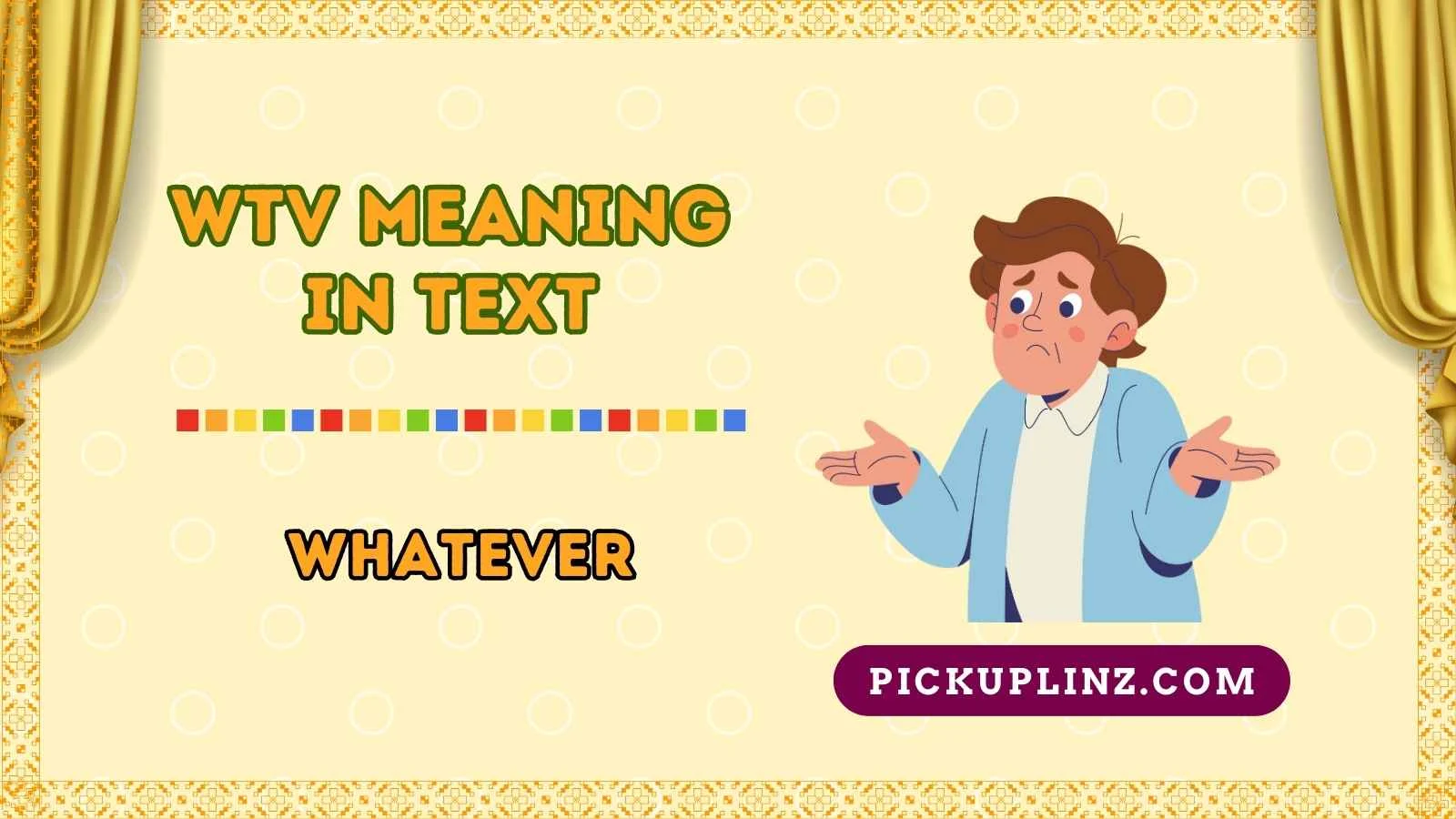
The wtv meaning in text is short for “whatever.” It is an abbreviation commonly used in texting, messaging apps, and social platforms to express a lack of strong opinion or emotional disengagement.
Core Meanings of WTV in Text
WTV can mean:
- “I don’t care”
- “It’s fine either way”
- “Do what you want”
- “I’m done discussing this”
- “I’m emotionally checked out”
The emotional weight of WTV depends entirely on context, tone, and relationship dynamics.
Lowercase vs Uppercase
- wtv → casual, dismissive, or neutral
- WTV → frustration, irritation, or emotional shutdown
Why WTV Feels So Strong
Unlike full sentences, WTV removes emotional nuance. It does not explain why the sender feels indifferent—only that they do. This ambiguity is what makes WTV powerful and often misunderstood.
Background and Origin of WTV in Digital Language
The abbreviation WTV emerged from early internet culture, especially during the rise of:
- SMS texting with character limits
- Instant messaging platforms
- Online chat rooms and forums
Just like lol, idk, and brb, WTV evolved as a shorthand to save time. Over the years, it became part of a minimalist communication style where emotions are implied rather than explained.
Evolution Over Time
| Era | Usage Style | Emotional Tone |
|---|---|---|
| Early SMS era | Practical abbreviation | Neutral |
| Social media rise | Casual slang | Detached |
| Gen Z texting | Emotional signal | Context-heavy |
Today, WTV is less about saving time and more about expressing emotional distance efficiently.
How WTV Is Used in Different Contexts
WTV Meaning in Casual Chat
In friendly conversations, WTV often means flexibility:
“Movie or dinner?”
“wtv works.”
Here, it signals openness and trust.
WTV Meaning During Conflict
During arguments, WTV often means:
- “I’m tired of arguing”
- “This conversation is going nowhere”
- “I’ve emotionally withdrawn”
This is where WTV becomes risky—it can escalate tension or create emotional distance.
WTV in Professional Settings
Using WTV at work is usually inappropriate. It may come across as:
- Unprofessional
- Disrespectful
- Passive-aggressive
Better alternatives in professional communication:
- “I’m flexible”
- “Either option works for me”
- “Let me know your preference”
WTV Meaning in Chat, WhatsApp, Instagram, and TikTok
WTV Meaning in Text Chat & WhatsApp
In private chats, WTV often signals emotional tone more than meaning.
- Neutral → flexibility
- Short reply → disinterest
- After argument → emotional shutdown
WTV Meaning on Instagram
On Instagram, WTV is often aesthetic or ironic:
- “Living life, wtv happens ✨”
- “Opinions everywhere, wtv.”
Here, WTV signals carefree attitude rather than rudeness.
WTV Meaning on TikTok
On TikTok, WTV is commonly used:
- In captions
- In comments
- As meme language
It often represents:
- Sarcasm
- Emotional detachment
- “Unbothered” energy
WTV Meaning in Physics, Medical, and Aircraft Terminology
Although rare, WTV can appear outside texting as an acronym.
Physics Context
In informal or internal discussions, WTV may refer to Weight-to-Volume relationships, particularly in material density contexts. This is not a standardized scientific abbreviation but may appear in shorthand notes.
Medical Context
In medical documentation, WTV can sometimes refer to Withdrawal Time Value or internal shorthand. These uses are highly specialized and not common in public medical terminology.
Aircraft and Aviation Context
In aviation documentation, WTV may be used internally to indicate Weight Threshold Value, but it is not a universally recognized aviation term.
➡️ Important: These meanings are context-specific and unrelated to the wtv meaning in text used in digital conversations.
Psychology Behind Using WTV in Text Messages
WTV is often used when people want to:
- Avoid confrontation
- End a conversation without explanation
- Hide emotional exhaustion
- Maintain emotional distance
Why People Choose WTV Instead of Explaining
- Emotional fatigue
- Fear of conflict
- Lack of emotional vocabulary
- Desire for control or detachment
Quote:
“Short responses often say more about emotional state than long explanations.”
Common Misconceptions About WTV Meaning in Text
Misconception 1: WTV Always Means Rudeness
Not true. In casual settings, WTV can be neutral or playful.
Misconception 2: WTV Means Agreement
WTV often means resignation, not agreement.
Misconception 3: WTV Is Emotionless
WTV often carries hidden emotions—frustration, disappointment, or indifference.
Similar Terms and Alternatives to WTV
| Term | Meaning | Emotional Tone |
|---|---|---|
| IDC | I don’t care | Strong indifference |
| Fine | Reluctant acceptance | Mild frustration |
| Up to you | Flexibility | Neutral |
| Whatever | Full form of WTV | Context-dependent |
How to Respond to WTV in Text (Smart Strategies)
If WTV Sounds Neutral
“Okay, I’ll decide then 😊”
Sounds Frustrated
“You seem upset—do you want to talk about it?”
Feels Dismissive
“This matters to me. Can we discuss it?”
Golden Rule
Don’t mirror emotional shutdown with silence. Clarify instead.
Differences Between WTV and Similar Words
WTV vs OK
- OK → acknowledgment
- WTV → disengagement
Vs IDC
- IDC → stronger emotional detachment
- WTV → passive resignation
Vs Fine
- Fine → emotional restraint
- WTV → emotional exit
WTV Meaning in Online Conversations and Dating Apps
In dating apps, WTV can be risky.
How WTV Is Interpreted in Dating
- Lack of interest
- Low effort
- Emotional unavailability
Case Study: Dating App Conversation
Person A: “What do you want to do this weekend?”
Person B: “wtv.”
Interpretation:
Person A may perceive this as boredom or disinterest, even if that wasn’t the intention.
➡️ Clear communication usually leads to better matches and stronger connections.
Cultural Differences in Using WTV
Different cultures interpret WTV differently:
- Direct cultures → dismissive
- Indirect cultures → passive communication
- Youth culture → casual slang
Understanding cultural context reduces misunderstandings.
When You Should Avoid Using WTV
Avoid WTV when:
- Having serious discussions
- Communicating professionally
- Talking to someone emotionally vulnerable
- Resolving conflicts
Benefits and Drawbacks of Using WTV in Text
Benefits
- Quick response
- Avoids conflict
- Signals flexibility
Drawbacks
- Easily misunderstood
- Emotionally distancing
- Can damage relationships
FAQs
What does WTV mean in text messages?
WTV means “whatever” and usually expresses indifference, flexibility, or emotional disengagement depending on context.
Is WTV rude in texting?
WTV can feel rude if used during serious or emotional conversations, but neutral in casual chats.
What does WTV mean from a girl or guy?
It usually signals emotional distance, boredom, or flexibility—context and tone matter more than gender.
Is WTV the same as IDC?
No. IDC shows stronger indifference, while WTV often reflects resignation or withdrawal.
Should I reply to WTV or ignore it?
It’s better to clarify politely rather than ignore, especially if the conversation matters.
Conclusion: Understanding the True WTV Meaning in Text
The wtv meaning in text goes far beyond a simple abbreviation. While it technically stands for “whatever,” its emotional implications can range from casual flexibility to emotional shutdown.
In modern digital communication, where tone is already difficult to interpret, WTV acts as a powerful emotional shortcut, sometimes helpful, sometimes harmful.
Understanding when WTV is harmless and when it signals deeper emotions can significantly improve communication, relationships, and online interactions.
Whether you’re texting friends, dating online, or navigating social media, clarity always beats ambiguity. When emotions matter, choosing words over abbreviations can make all the difference.

Hi, I’m Ben Mark, the creator behind Pickuplinz.com.
I’ve always believed words have power especially the kind that make people smile, blush, or laugh out loud. That’s what inspired me to build Pickuplinz, a place where fun, charm, and creativity come together through clever pickup lines and playful word magic.
I enjoy turning simple phrases into something memorable. Whether it’s smooth, funny, cheesy, or bold, my goal is to help people break the ice, spark conversations, and add a little confidence to their social game.
When I’m not working on new content, I’m exploring trends, humor styles, and creative ways people connect through words online.
Thanks for being here let’s keep the vibes fun and the lines smooth.