UK slang is the colorful, informal language used across the United Kingdom in everyday conversation, online chats, social media, and popular culture. It reflects British humor, identity, and regional diversity, often leaving non-natives or even people from other UK regions puzzled.
People search for UK slang because it appears in movies, TV shows, music, memes, TikTok trends, and dating apps. Understanding it allows you to communicate naturally, avoid misunderstandings, and connect socially with locals or online communities.
From Cockney rhyming slang to modern digital expressions, UK slang evolves rapidly, shaped by geography, class, multiculturalism, and youth trends. It is playful, creative, and often ironic, providing insights not just into language but into British culture itself.
This article explores UK slang in depth — its definitions, origins, modern usage, online relevance, misconceptions, and practical tips to use it confidently.
Meaning & Definition
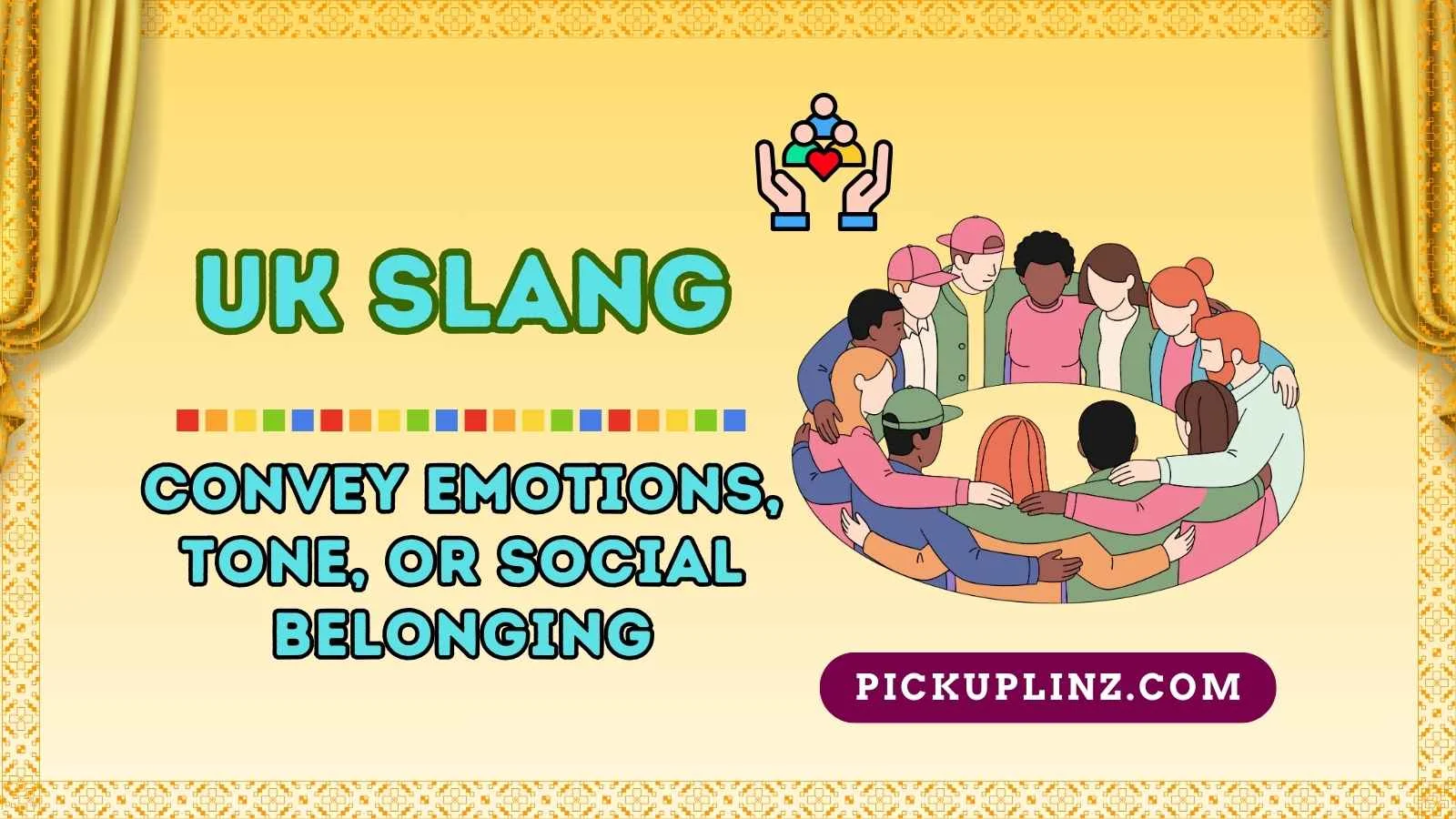
UK slang refers to informal words, expressions, or phrases commonly used in Britain that differ from standard English. These words are often short, catchy, and sometimes humorous, designed to convey emotions, tone, or social belonging quickly.
Key Characteristics of UK Slang:
- Informality: Slang is casual and typically used in social settings.
- Regional Variation: Words differ across England, Scotland, Wales, and Northern Ireland.
- Creativity: Many phrases play with sounds, rhymes, or metaphors.
- Flexibility: Meanings change depending on context, tone, and audience.
Example Table of Common UK Slang Terms:
| Slang Word | Meaning | Context |
|---|---|---|
| Cheeky | Playful or slightly bold | “Let’s have a cheeky pint” |
| Mate | Friend or buddy | “How’s it going, mate?” |
| Gobsmacked | Shocked or amazed | “I was gobsmacked by the news” |
| Knackered | Extremely tired | “I’m knackered after work” |
| Chuffed | Very pleased | “I’m chuffed with my exam results” |
Slang is often socially driven. It can signal belonging to certain groups like teenagers, gamers, or Londoners, and sometimes it carries cultural references.
Quote:
“Slang is the pulse of a living language; it tells stories of who we are and where we come from.” – Linguist Anonymous
Background
UK slang has deep historical roots, originating from working-class communities, regional dialects, and local markets. Over centuries, it absorbed influences from French, Latin, Romani, and immigrant languages.
Key Historical Milestones:
- 17th–18th Century: Cockney rhyming slang emerged in London.
- 19th Century: Industrialization spread working-class slang across cities.
- 20th Century: Music genres like punk, ska, and grime popularized youth slang.
- 21st Century: Social media accelerated slang evolution, making some phrases global trends overnight.
Regional Variation:
| Region | Example Slang | Meaning |
|---|---|---|
| London | Peng | Attractive |
| Manchester | Sound | Good or okay |
| Liverpool | Boss | Great, awesome |
| Scotland | Braw | Fine, nice |
| Wales | Tidy | Excellent or impressive |
Fact: Certain words remain strictly regional. For instance, “ginnel” (narrow alley) is northern England-specific.
Slang also historically functioned as coded language, allowing people to speak privately or humorously without outsiders understanding.
Usage in Different Contexts (Chat, Social Media, Professional Fields)
UK slang is highly versatile and used differently depending on the setting:
1. Chat and Messaging:
- Often short and expressive.
- Used for humor, tone, or emotional nuance.
- Example: “That movie was ace!” → “Ace” = excellent.
2. Social Media:
- Makes captions and content relatable.
- Common in TikTok, Instagram, and Twitter trends.
- Emojis often accompany slang for emotional emphasis.
3. Professional Fields:
- Traditionally avoided in formal communication.
- Modern industries like marketing, media, or tech may use mild slang to build rapport.
- Example: Saying “That campaign is banging” in an internal Slack chat.
4. Online Communities:
- Gamers, content creators, and influencers blend UK slang with internet language.
- This hybrid keeps slang evolving while maintaining cultural roots.
Fact: Casual slang often spreads faster online than formal language due to virality of trends and memes.
Meaning in Chat, WhatsApp, Instagram, TikTok
Social media has given UK slang a new dimension. Words carry tone more than literal meaning, often expressing humor, irony, or excitement.
Popular Examples:
| Slang | Platform | Meaning |
|---|---|---|
| Mood | Instagram, TikTok | Relatable feeling or vibe |
| Bare | WhatsApp, chat | Very or a lot |
| Peak | TikTok | Bad or unfortunate situation |
| Finsta | Fake/secondary account | |
| Salty | Chat | Annoyed or bitter |
Tips for Use:
- Observe tone and emoji usage.
- Context matters; same word can be positive or negative.
- Slang increases engagement and relatability.
Case Study:
A TikTok video using “bare funny” instead of “very funny” gained 2M views because it felt relatable and culturally authentic to UK audiences.
Meaning in Physics, Medical, and Aircraft Terminology
It’s important to note that UK slang is rarely used in technical fields. These industries rely on precision:
- Physics: Terms like “force” or “velocity” remain unchanged.
- Medical: Doctors may joke with informal words privately but official terminology is strict.
- Aircraft/Engineering: Slang may exist as nicknames for parts but is never in documentation.
Example:
- Informal: “The engine’s a bit knackered.”
- Formal: “The engine requires maintenance.”
Fact: Confusing slang with technical terms can lead to serious mistakes in professional contexts.
Common Misconceptions
- Slang is universal: No, meanings vary by region.
- Slang is rude or uneducated: Many expressions are witty and culturally significant.
- Slang is inappropriate everywhere: Light slang can enhance communication in modern workplaces or social media.
Quote:
“Slang is not a corruption of language; it is its evolution in real-time.” – Linguist Anonymous
Similar Terms & Alternatives
Slang overlaps with colloquialisms, idioms, and regional dialects. Alternatives exist for formal settings:
| Slang | Alternative (Formal) |
|---|---|
| Cheeky | Slightly daring |
| Knackered | Extremely tired |
| Chuffed | Pleased |
| Gobsmacked | Shocked |
| Mate | Friend |
Tip: Knowing both slang and formal alternatives helps navigate different social and professional environments.
How to Respond to It
Responding depends on your familiarity and context:
- Unsure? Ask politely for clarification.
- Casual chat: Mirror tone without copying exactly.
- Confidence: Practice by observing native usage.
Example:
- Friend: “That party was bare funny!”
- Response: “Totally! I couldn’t stop laughing either.”
Differences from Similar Words
UK slang differs from American slang and standard English:
- Tone: UK slang often uses understatement, irony, and dry humor.
- Flexibility: Meanings shift by region, audience, or trend.
- Cultural nuance: Some words carry historical or social context unique to Britain.
Example Table:
| UK Slang | American Equivalent | Difference |
|---|---|---|
| Gobsmacked | Flabbergasted | More informal, playful |
| Chuffed | Pleased | Slightly ironic tone in UK |
| Mate | Buddy | Common in casual UK speech; American may sound formal |
Relevance in Online Conversations & Dating Apps
Slang plays a crucial role in digital communication:
- Dating apps: Shows personality, humor, and authenticity.
- Social media: Increases engagement and relatability.
- Memes & trends: Slang often goes viral, spreading culture globally.
Tip: Avoid overusing slang; balance is key to appear natural.
Example:
- Profile: “Love a cheeky pint and a good chat. Bare laughs guaranteed!”
- Feels authentic, friendly, and culturally relevant.
FAQs:
What is UK slang?
Informal language used in Britain, often playful, regional, and expressive.
Is UK slang only for young people?
No, it is widely used across ages, but younger generations often create trends.
Can I use UK slang professionally?
Yes, lightly in modern workplaces or informal team chats. Avoid formal documents.
How do I learn UK slang quickly?
Follow UK social media, watch TV shows, and engage with locals online.
Does UK slang change over time?
Yes, trends evolve rapidly, especially with social media influence.
Conclusion:
UK slang is a vibrant part of British culture, reflecting humor, identity, and social connection. It evolves constantly, influenced by region, history, and online trends.
Learning UK slang improves communication, makes interactions authentic, and enhances understanding of British content. While not suitable for technical or formal environments, it thrives in chats, social media, and dating apps.
By observing context, tone, and regional differences, anyone can confidently use UK slang and enjoy its playful, expressive charm.

Hi, I’m Ben Mark, the creator behind Pickuplinz.com.
I’ve always believed words have power especially the kind that make people smile, blush, or laugh out loud. That’s what inspired me to build Pickuplinz, a place where fun, charm, and creativity come together through clever pickup lines and playful word magic.
I enjoy turning simple phrases into something memorable. Whether it’s smooth, funny, cheesy, or bold, my goal is to help people break the ice, spark conversations, and add a little confidence to their social game.
When I’m not working on new content, I’m exploring trends, humor styles, and creative ways people connect through words online.
Thanks for being here let’s keep the vibes fun and the lines smooth.