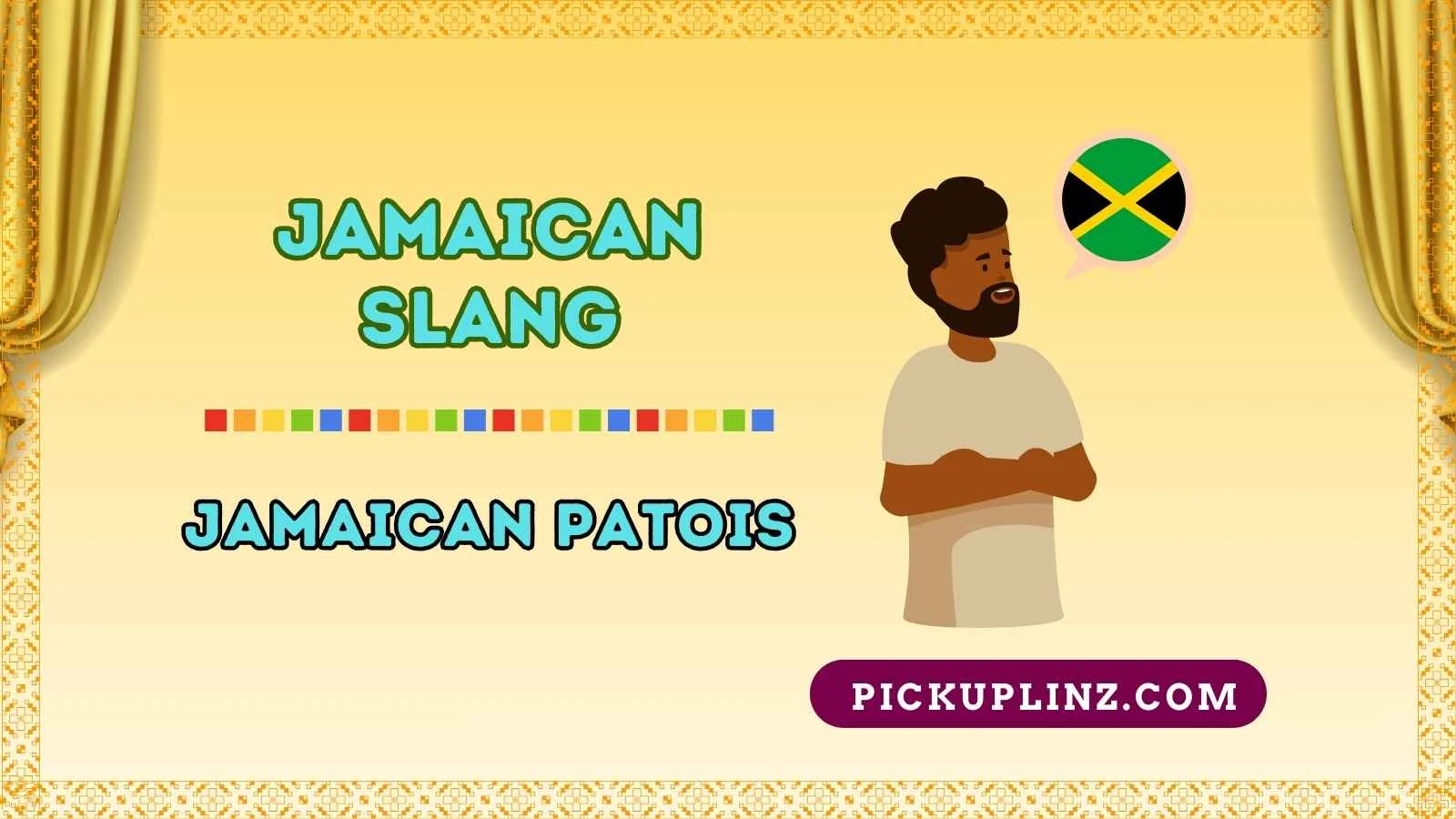
Jamaican slang is more than just casual talk it’s a living, breathing reflection of Jamaican culture, identity, and creativity. From reggae lyrics to social media posts, it has captured global attention for its vibrant expressions and rhythmic charm.
People often search for Jamaican slang to understand its meaning, connect with Jamaican culture, and make conversations lively and relatable.
Whether you’re exploring music, chatting online, or traveling to Jamaica, learning these expressions offers insight into the island’s history, humor, and daily life.
In this article, we will explore everything about Jamaican slang from definitions to usage in social media, professional contexts, and even misconceptions providing a comprehensive, informative, and easy-to-understand guide.
Meaning & Definition of Jamaican Slang
Jamaican slang refers to informal words and phrases primarily derived from Jamaican Patois, a creole language that blends English with West African languages, Spanish, Portuguese, and Arawakan influences.
Unlike standard English, Jamaican slang is expressive, playful, and culturally rich.
Key Examples:
| Slang Term | Meaning | Usage Example |
|---|---|---|
| Irie | Everything is good, feeling good | “Mi feel irie today, vibes nice.” |
| Wagwan | What’s going on? | “Wagwan, mi friend? How yuh stay?” |
| Bumbaclot | Strong expletive, varies by context | “Yuh serious? Bumbaclot!” |
| Tun up | Excited, hype, energetic | “Di party tun up last night!” |
| Big up | Show respect or acknowledgment | “Big up to di team for di work!” |
Facts:
- Jamaican slang is context-dependent, often changing meaning depending on tone and audience.
- It reflects creativity, emotion, and social identity rather than strict grammar.
- Many words are figurative and cannot be translated literally.
“Jamaican Patois is a language of survival, resistance, and expression. Each phrase carries history and identity.” — Dr. Carolyn Cooper, Professor of Cultural Studies
Background of Jamaican Slang
Jamaican slang evolved from centuries of cultural blending and historical events. It developed from:
- African Influence: Enslaved Africans brought rich oral traditions, rhythms, and idiomatic expressions.
- English Colonization: Standard English provided grammatical structure and vocabulary.
- Spanish, Portuguese, and Indigenous Languages: Influenced pronunciation and lexicon.
Historical Timeline:
| Era | Influence on Jamaican Slang |
|---|---|
| 1494-1655 | Indigenous words and early Spanish interactions |
| 1655-1800 | English colonization; African languages integrated |
| 1800s | Post-slavery evolution; Patois becomes symbol of identity |
| 1960s | Reggae & dancehall popularize slang globally |
| 2000s-Present | Social media spreads slang internationally |
Interesting Fact:
The term “Irie” became globally recognized through Bob Marley’s music, symbolizing peace, positivity, and good vibes.
Case Study:
Reggae superstar Sean Paul often uses Jamaican slang in his songs. Phrases like “Gimme the light, and blaze it” popularized expressions among international audiences, showing how music can export local language worldwide.
Usage in Different Contexts
Jamaican slang isn’t limited to casual conversations—it appears in chat apps, social media, music, and professional settings. Its usage depends on context and audience.
Chat & Messaging
- WhatsApp & Messenger:
- “Mi deh yah” → I’m here
- “Likkle more” → See you later
- Emojis enhance meaning: 🎉 (celebration), 😎 (cool), 🔥 (hype)
Social Media
- Instagram & TikTok:
- Trends often spread Jamaican slang, e.g., “Tun up” → high energy content.
- Slang adds authenticity and helps creators engage global audiences.
Professional Contexts
- Light informal usage is common among colleagues: “Big up, team!”
- Formal documents and presentations still require standard English.
Fact: Jamaican slang can bridge professional and casual spaces, adding friendliness without undermining authority if used appropriately.
Meaning in Chat, WhatsApp, Instagram, TikTok
On digital platforms, Jamaican slang is highly expressive, playful, and meme-friendly.
Popular Chat Examples:
| Slang | Platform | Meaning | Emoji Use |
|---|---|---|---|
| Big up | WhatsApp/Instagram | Respect or acknowledgment | 👍💯 |
| Mi rate yuh | Dating apps | I like you | ❤️🔥 |
| Likkle more | Messenger | Goodbye | 👋 |
| Wah gwan | TikTok | What’s happening? | 😎🎵 |
| Tun up | High energy/hype | 🔥🎉 |
Tips for Using Slang Online:
- Always consider your audience. International followers may need context.
- Pair slang with emojis for clarity and emotion.
- Avoid overuse; balance with standard English.
Meaning in Physics, Medical, and Aircraft Terminology
While Jamaican slang is mainly social, some phrases metaphorically overlap with professional jargon:
- Physics: “High” → could mean energy levels or altitude.
- Medical: “Cool” → stable, calm, or not severe.
- Aviation: “Tun up” → high activity, turbulence, or excitement in informal pilot chatter.
Key Insight:
Slang may appear casually among professionals but formal terminology remains essential to ensure clarity and safety.
Common Misconceptions
| Misconception | Reality |
|---|---|
| Jamaican slang is “broken English” | It’s a structured, rule-based creole language. |
| All Jamaicans speak only slang | Most Jamaicans are bilingual in English and Patois. |
| Slang is universal | Many words are context-dependent, varying across regions. |
| It’s only for casual talk | Slang is also used in music, media, and professional bonding. |
Quote:
“Patois is not improper English—it is a language that carries identity, history, and rhythm.” — Lorna Goodison, Jamaican Poet
Similar Terms & Alternatives
Some Jamaican slang words have regional synonyms or online alternatives.
| Slang | Meaning | Alternatives |
|---|---|---|
| Irie | Good, happy | Cool, alright, vibes |
| Wagwan | What’s up? | Howdy, yo, sup |
| Likkle more | See you later | Bye, catch you, later |
| Big up | Respect | Props, shoutout, kudos |
| Tun up | High energy | Lit, hype, energized |
Fact: Recognizing alternatives helps in cross-cultural conversations, especially online.
How to Respond to Jamaican Slang
Responding correctly enhances communication and shows cultural awareness.
Tips:
- Use affirmatives: “Mi good,” “Big up.”
- Add emojis for tone: 😎🔥❤️
- Ask politely if unsure: “What does dat mean?”
- Mirror tone and energy for relatability.
Example Conversation:
- Person A: “Wagwan?”
- Person B: “Mi deh yah, mi friend! Tun up di vibes?”
- Translation: “What’s up? I’m good, friend! Are the vibes high?”
Differences from Similar Words
Jamaican slang differs from other English idioms or slang in several ways:
| Feature | Jamaican Slang | Standard English Slang |
|---|---|---|
| Rhythm | Musical, rhythmic | Less musical |
| Context | Highly context-dependent | Often literal |
| Expressiveness | Multi-layered meaning | Usually one meaning |
| Cultural Identity | Deeply rooted in history | Less cultural weight |
| Creativity | Words often invented or modified | Limited wordplay |
Example: “Tun up” expresses intensity, excitement, and energy, unlike simple “hype” in American slang.
Relevance in Online Conversations & Dating Apps
Jamaican slang enhances online interaction by making conversations playful, authentic, and memorable.
Dating Apps:
- “Mi rate yuh” → I like you
- “Link up” → Let’s meet
- Adds personality and cultural flavor
Social Media:
- Engages international audiences through trends
- Phrases like “tun up di vibes” create viral content
Fact: Using slang sparingly and contextually can increase engagement and relatability.
FAQs:
What is the most common Jamaican slang word?
Wagwan is widely used for greetings and is instantly recognizable worldwide.
Can Jamaican slang be used in professional settings?
Yes, but informally; formal documents require standard English.
Is Jamaican slang the same as Patois?
Not exactly; slang is part of Patois, which is a full language.
How can I learn Jamaican slang quickly?
Listen to reggae, dancehall, TikTok, and chat with native speakers for practical learning.
Are Jamaican slang words understood internationally?
Some are, especially via music and social media, but context matters.
Conclusion
Jamaican slang is a vibrant, dynamic, and culturally rich form of communication that extends far beyond casual conversation.
From its roots in history and music to its global influence on social media and online interactions, it is an essential part of Caribbean identity. Understanding its meaning, usage, and context allows for more authentic, playful, and engaging communication.
Whether in chats, music, dating apps, or professional environments, Jamaican slang offers a glimpse into the spirit, humor, and creativity of Jamaica, making it both practical and fascinating for learners worldwide.

Hi, I’m Ben Mark, the creator behind Pickuplinz.com.
I’ve always believed words have power especially the kind that make people smile, blush, or laugh out loud. That’s what inspired me to build Pickuplinz, a place where fun, charm, and creativity come together through clever pickup lines and playful word magic.
I enjoy turning simple phrases into something memorable. Whether it’s smooth, funny, cheesy, or bold, my goal is to help people break the ice, spark conversations, and add a little confidence to their social game.
When I’m not working on new content, I’m exploring trends, humor styles, and creative ways people connect through words online.
Thanks for being here let’s keep the vibes fun and the lines smooth.