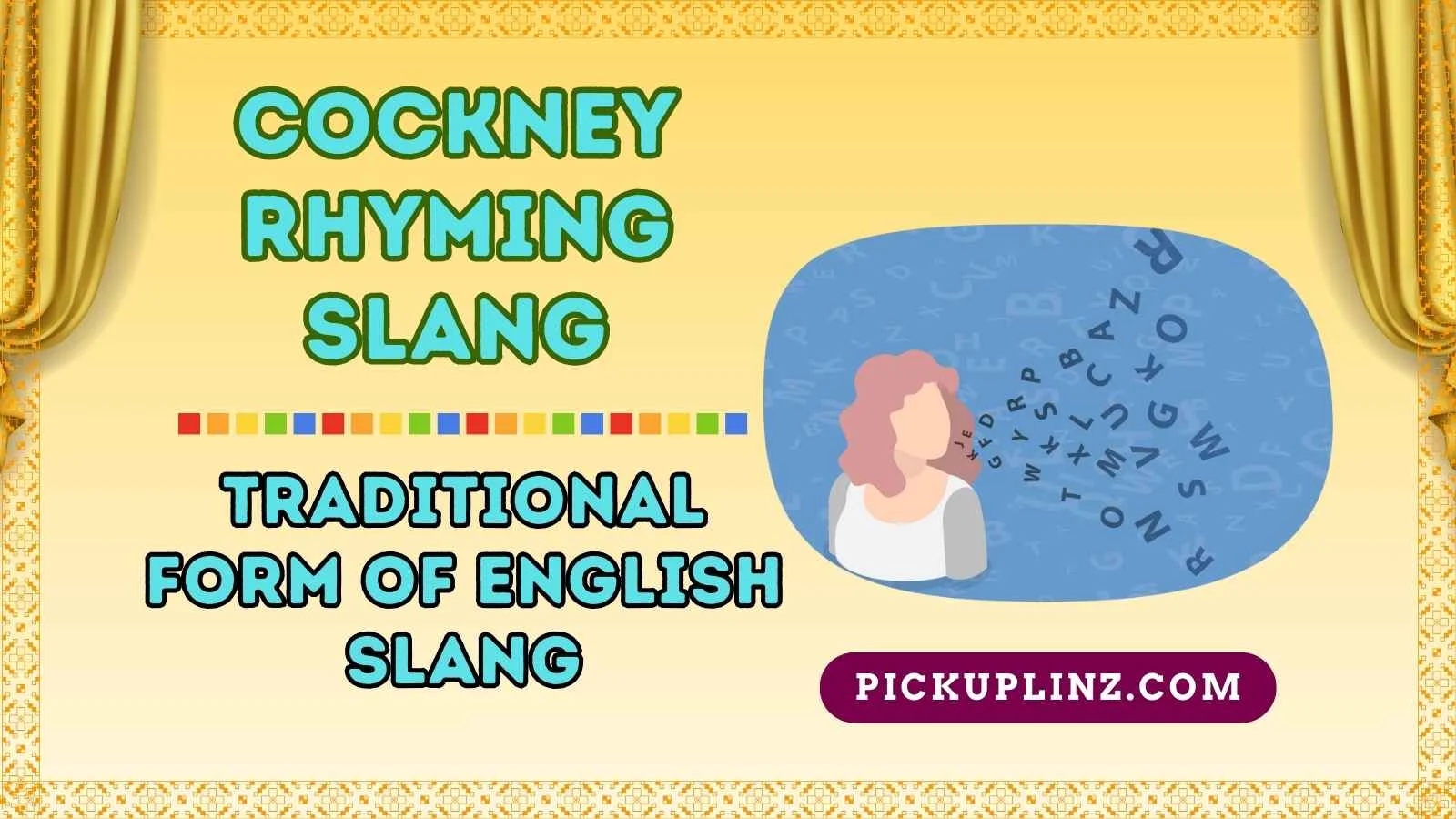
Cockney rhyming slang is one of the most fascinating and creative forms of the English language. Rooted deeply in London’s East End culture, it replaces common words with short phrases that rhyme with them often dropping the rhyming word altogether, which makes it sound mysterious to outsiders. This unique linguistic system blends humor, secrecy, identity, and tradition into everyday speech.
People search for cockney rhyming slang for many reasons. Some encounter it in British movies, TV shows, or music. Others see it used playfully on social media, dating apps, or memes and want to understand what it actually means. Language learners, writers, and cultural enthusiasts also explore it to better understand British identity and communication styles.
Despite its age, cockney rhyming slang remains relevant today. It has evolved from street markets into digital spaces like WhatsApp, Instagram, and TikTok. Understanding it helps you decode conversations, appreciate British humor, and even respond confidently in casual chats.
This in-depth guide explores its meaning, background, usage, misconceptions, and modern relevance in clear, engaging, and practical detail.
Meaning & Definition of Cockney Rhyming Slang
Cockney rhyming slang is a traditional form of English slang where a word is replaced by a phrase that rhymes with it. Over time, speakers usually shorten the phrase by removing the rhyming part, making the meaning even less obvious.
How It Works (Simple Breakdown)
| Common Word | Rhyming Phrase | Spoken Slang |
|---|---|---|
| Stairs | Apples and pears | Apples |
| Phone | Dog and bone | Dog |
| Look | Butcher’s hook | Butcher’s |
| Head | Loaf of bread | Loaf |
| Feet | Plates of meat | Plates |
So if someone says:
“Use your loaf”
They mean: Use your head
The cleverness of cockney rhyming slang lies in:
- Indirect meaning
- Cultural references
- Playful word replacement
It’s not random. It follows a clear rhyming structure, even though the final spoken word often hides the rhyme.
Historical Background of Cockney Rhyming Slang
Where It Started
Cockney rhyming slang originated in mid-19th century London, specifically in the East End. The word Cockney traditionally refers to someone born within earshot of the bells of St. Mary-le-Bow (Bow Bells).
Why It Developed
There are three widely accepted reasons:
- Community identity – It strengthened bonds among working-class Londoners
- Humor & wordplay – Londoners enjoyed linguistic creativity
- Selective understanding – It made conversations unclear to outsiders
Market traders, dock workers, and street sellers commonly used it. Whether it was meant to confuse police or customers is debated, but it clearly created a shared linguistic culture.
How It Spread
Cockney rhyming slang spread through:
- Urban migration
- British cinema and television
- Comedy shows
- Music and pop culture
Even people who don’t speak it fluently recognize famous phrases today.
Usage of Cockney Rhyming Slang in Different Contexts
Everyday Conversation
In daily speech, cockney rhyming slang is usually:
- Light-hearted
- Humorous
- Used selectively
Most speakers mix it with standard English rather than using it constantly.
Social Media & Digital Communication
On platforms like:
- TikTok
- X (Twitter)
It’s often used to:
- Sound witty or ironic
- Show British identity
- Add humor to captions and comments
Example:
“Just got off the dog 🐶”
(Means: phone)
Professional & Creative Fields
Cockney rhyming slang is not used in formal professions like law, medicine, or engineering. However, it appears in:
- Advertising
- Entertainment
- Screenwriting
- Comedy writing
It adds authenticity and cultural flavor when used carefully.
Meaning of Cockney Rhyming Slang in Chat, WhatsApp, Instagram & TikTok
In digital spaces, cockney rhyming slang has evolved into a stylistic tool.
Common Online Usage Examples
| Slang Phrase | Meaning | Where Used |
|---|---|---|
| “Have a butcher’s” | Take a look | Chats, comments |
| “On the dog” | On the phone | |
| “Lose your bottle” | Lose courage | TikTok skits |
| “Spend a penny” | Use the toilet | Humor posts |
Why It Works Online
- Short phrases suit fast messaging
- Sounds playful and meme-friendly
- Often paired with emojis for clarity
Most online users don’t expect full fluency—just recognition and humor.
Meaning in Physics, Medical & Aircraft Terminology
Important clarification:
Cockney rhyming slang has no technical meaning in physics, medicine, or aviation.
Why It’s Not Used
These fields require:
- Absolute clarity
- Zero ambiguity
- International standardization
Using slang in:
- Medical charts
- Physics equations
- Aircraft communication
would be unsafe and unprofessional.
Only Informal Humor
Occasionally, professionals might joke casually using slang outside official work—but never in documentation or critical communication.
Common Misconceptions About Cockney Rhyming Slang
Myth vs Reality
| Myth | Reality |
|---|---|
| It’s random nonsense | It follows clear rhyming rules |
| All Londoners speak it | Most know it, few use it daily |
| It’s dead | It’s evolving digitally |
| It’s meant to exclude | Today it’s playful, not secretive |
Another misconception is that you must be Cockney to understand it. In reality, exposure through media makes it accessible worldwide.
Similar Terms & Language Alternatives
Cockney rhyming slang is unique, but it shares space with other language styles:
Related Language Styles
- British slang – Informal but direct
- London street slang – Modern urban expressions
- Backslang – Words spoken backward
- Idioms – Fixed phrases with metaphorical meanings
Unlike idioms, cockney rhyming slang relies on rhyme, not metaphor.
How to Respond to Cockney Rhyming Slang
If someone uses cockney rhyming slang with you:
Best Responses
- Ask politely for meaning
- Respond with humor
- Mirror the tone, not the slang
Example:
“Sorry, what does that mean?”
or
“Haha, that’s a new one for me!”
What to Avoid
- Pretending you understand
- Overusing it incorrectly
- Using it in formal settings
Confidence comes from curiosity, not imitation.
Differences Between Cockney Rhyming Slang and Similar Words
Key Differences Table
| Feature | Cockney Rhyming Slang | Regular Slang | Idioms |
|---|---|---|---|
| Uses rhyme | Yes | No | No |
| Indirect meaning | Yes | Sometimes | Yes |
| Cultural dependency | High | Medium | Medium |
| Structure-based | Yes | No | No |
This structure is what makes cockney rhyming slang distinct and memorable.
Relevance in Online Conversations & Dating Apps
Cockney rhyming slang has found new life in:
- Dating apps
- Casual online chats
- Bio descriptions
Why It’s Popular in Dating
- Sounds witty
- Signals cultural awareness
- Breaks the ice
Example bio line:
“Good with my loaf, quick on the dog, and always up for a butcher’s 😉”
It adds charm—but moderation is key.
Case Study: Cockney Rhyming Slang in Pop Culture
Media Influence
Popular British shows and movies helped preserve and modernize cockney rhyming slang by:
- Introducing it to global audiences
- Making phrases recognizable
- Linking slang to humor and character identity
This exposure ensures it remains culturally relevant, even for non-British audiences.
Famous Cockney Rhyming Slang Quotes
“Use your loaf.”
Meaning: Think carefully
“I’m cream crackered.”
Meaning: Very tired
“Don’t have a cow and calf.”
Meaning: Don’t panic
These phrases show how expressive and humorous the slang can be.
FAQs:
Is cockney rhyming slang still used today?
Yes, but mostly in a playful or cultural way rather than daily conversation.
Do you need to be from London to use it?
No. Anyone can use or understand it with proper context.
Is cockney rhyming slang difficult to learn?
Not really. Learning common phrases and patterns makes it easier.
Can cockney rhyming slang be offensive?
Rarely. Most phrases are humorous, but context always matters.
Is it appropriate for professional communication?
No. It’s best reserved for informal and creative settings.
Conclusion: Why Cockney Rhyming Slang Still Matters
Cockney rhyming slang is more than just old-fashioned street talk. It’s a living example of how language adapts, survives, and entertains. From Victorian markets to TikTok captions, it has evolved while maintaining its playful identity.
Understanding cockney rhyming slang gives insight into British humor, culture, and communication styles. It helps decode casual conversations, enhances cultural literacy, and adds fun to informal chats.
While it doesn’t belong in technical or professional settings, it thrives where personality, creativity, and humor matter. As language continues to evolve online, cockney rhyming slang remains a brilliant reminder that words don’t just communicate—they connect.

My name is Bravo Allen, and I am driven by a strong interest in communication, creativity, and meaningful engagement. I believe that clear ideas and thoughtful expression have the power to inform, inspire, and connect people across different backgrounds.
Throughout my journey, I have focused on personal growth, continuous learning, and developing skills that allow me to present information in a clear and impactful way. I value professionalism, consistency, and integrity in every project I take on. My approach combines creativity with purpose, ensuring that everything I work on is both engaging and valuable.
I am particularly interested in how language, ideas, and digital platforms shape the way people interact and share knowledge today. This perspective motivates me to keep improving, adapting, and contributing in ways that make a positive difference.
My goal is to build work that reflects quality, reliability, and thoughtful communication.